11 Organ Systems Of The Human Body And Their Organs News
11 Organ Systems Of The Human Body And Their Organs. These organs work in coordination to give rise to several organ systems. Endocrine organs secrete hormones to regulate body processes. The 11 organ systems in the body include: Meaning it gives form and shape while letting body to move freely. Your body has 11 different organ systems. The endocrine system regulates vital processes in the body including growth, homeostasis, metabolism, and sexual development. The 11 organ systems of the human body nervous (signaling) respiratory (gas exchange) urinary (waste) muscular (movement) skeletal (support structure) cardiovascular (circulation) reproductive (sexual reproduction) lymphatic (vascular) immune (defense) marian university indianapolis ® anatomical organization (least to most complex): The kidneys, urethra and bladders are the main organs within this system. There are a total of 11 organ systems with different assigned function; Major endocrine structures include the pituitary gland, pineal gland, thymus, ovaries, testes, and thyroid gland. Circulatory system / cardiovascular system: The 11 organ systems include the integumentary system, skeletal system, muscular system, lymphatic system, respiratory system, digestive system, nervous system, endocrine system, cardiovascular system, urinary system, and. Site for muscle connections 5. They are 11 of them as skeletal, muscular, circulatory, respiratory systems, etc. Integumentary system / exocrine system:
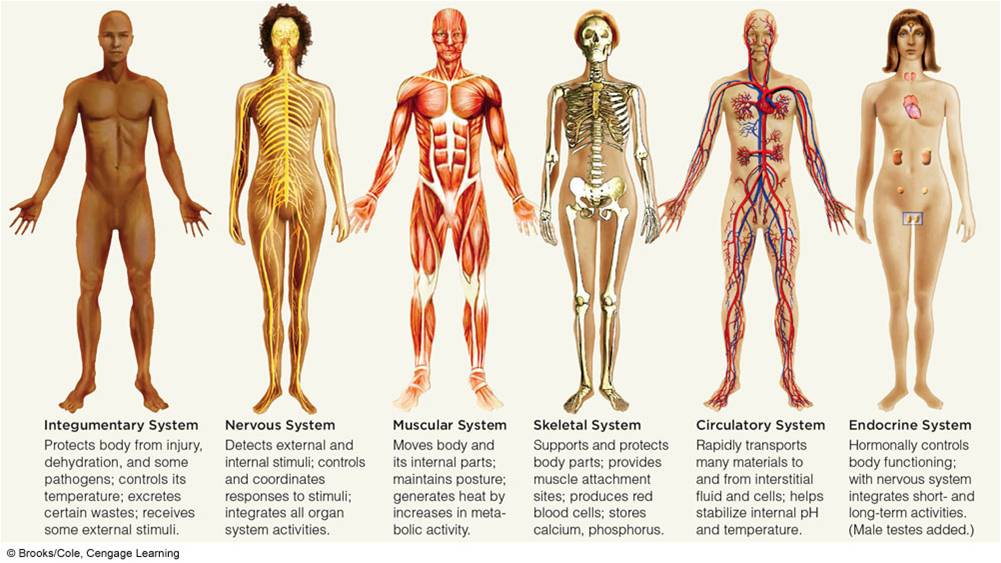

The main systems of the human body are: It also protects our body, and mainly the internal organs from injuries. Endocrine organs secrete hormones to regulate body processes. The 11 organ systems in the body include: The human body is a biological machine made of body systems; The integumentary system includes the. They are 11 of them as skeletal, muscular, circulatory, respiratory systems, etc. The 11 organ systems include the integumentary system, skeletal system, muscular system, lymphatic system, respiratory system, digestive system, nervous system, endocrine system, cardiovascular system, urinary system, and. Site for muscle connections 5. The group of organs which work together to perform a specific function is called an organ system. These include the heart, brain, kidneys, liver and lungs. Immune system and lymphatic system: Organ systems are a set of organs performing vital body functions. Groups of organs that work together to produce and sustain life. The 11 organ systems of the body are the integumentary, muscular, skeletal, nervous, circulatory, lymphatic, respiratory, endocrine, urinary/excretory, reproductive and digestive.although each of your 11 organ systems has a unique function, each organ system also depends, directly or indirectly, on all the others.
The 11 organ systems include the integumentary system, skeletal system, muscular system, lymphatic system, respiratory system, digestive system, nervous system, endocrine system, cardiovascular system, urinary system, and.
The circulatory system includes the heart, veins and arteries. Digestive system and excretory system: This is the updated amoeba sisters human organ systems video, which provides a brief function introduction to each of the 11 human organ systems.
There are a total of 11 organ systems with different assigned function; Integumentary system / exocrine system: The 11 organ systems of the body are the integumentary, muscular, skeletal, nervous, circulatory, lymphatic, respiratory, endocrine, urinary/excretory, reproductive and digestive. Endocrine organs secrete hormones to regulate body processes. Among these 78 organs, five organs are considered vital for survival. In some cases, one organ system works closely with another on a particular task. Circulatory system / cardiovascular system: Types of organs in a human body. It can be helpful to step back and look at the bigger anatomical picture. This is the updated amoeba sisters human organ systems video, which provides a brief function introduction to each of the 11 human organ systems. An organ system is a combination of organs (e.g., heart, lungs, eyes, kidneys, etc.) that work together for a specific function. Organ systems are a set of organs performing vital body functions. The kidneys, urethra and bladders are the main organs within this system. These include the heart, brain, kidneys, liver and lungs. Click to see full answer. The human body is a biological machine made of body systems; Where is body energy produced? All the systems will work together to try to create what is known as homeostasis or a state of balance within the body. Protect some organs (brain, heart, lungs, spinal cord, etc.) 3. The endocrine system regulates vital processes in the body including growth, homeostasis, metabolism, and sexual development. Major endocrine structures include the pituitary gland, pineal gland, thymus, ovaries, testes, and thyroid gland.
Organ systems are a set of organs performing vital body functions.
The human body consists of 11 interrelated organ systems that manage all essential body functions. Major endocrine structures include the pituitary gland, pineal gland, thymus, ovaries, testes, and thyroid gland. Although each of your 11 organ systems has a unique function, each organ system also depends, directly or indirectly, on all the others.
The endocrine system regulates vital processes in the body including growth, homeostasis, metabolism, and sexual development. Various organ systems include respiratory, digestive, nervous, circulatory, reproductive, muscular, excretory, skeletal, etc. Major endocrine structures include the pituitary gland, pineal gland, thymus, ovaries, testes, and thyroid gland. Click to see full answer. Renal system and urinary system. The 11 organ systems of the body are the integumentary, muscular, skeletal, nervous, circulatory, lymphatic, respiratory, endocrine, urinary/excretory, reproductive and digestive.although each of your 11 organ systems has a unique function, each organ system also depends, directly or indirectly, on all the others. The group of organs which work together to perform a specific function is called an organ system. The 11 organ systems of the human body nervous (signaling) respiratory (gas exchange) urinary (waste) muscular (movement) skeletal (support structure) cardiovascular (circulation) reproductive (sexual reproduction) lymphatic (vascular) immune (defense) marian university indianapolis ® anatomical organization (least to most complex): It can be helpful to step back and look at the bigger anatomical picture. What are the 11 human body systems and their functions? For example, the endocrine system interacts with the gastrointestinal system to control digestion. Groups of organs that work together to produce and sustain life. In some cases, one organ system works closely with another on a particular task. Major organ systems functions of the human body murders linc muscular,urinary,reproductive,digestive,endocrine,respiratory,skeletal, lympathic,integumentary,nervous,circulatory. Your body has 11 different organ systems. Circulatory system / cardiovascular system: They are 11 of them as skeletal, muscular, circulatory, respiratory systems, etc. The 11 organ systems include the integumentary system, skeletal system, muscular system, lymphatic system, respiratory system, digestive system, nervous system, endocrine system, cardiovascular system, urinary system, and reproductive systems. An organ system is a combination of organs (e.g., heart, lungs, eyes, kidneys, etc.) that work together for a specific function. The human body consists of 11 interrelated organ systems that manage all essential body functions. The 11 organ systems in the body include:
Meaning it gives form and shape while letting body to move freely.
There are a total of 11 organ systems with different assigned function; Regulatory system that controls body movement, consciousness, intelligence, memory eg: Sometimes we get lost while studying about cells and molecules and can’t see the forest for the trees.
Organ systems are a group of organs that work together in order to make a function, such as the integumentary, skeletal, muscular, nervous, endocrine, cardiovascular, lymphatic/immunity, digestive, urinary, and reproductive system. An organ system is a group of organs that work together to do a job. Integumentary system / exocrine system: Endocrine organs secrete hormones to regulate body processes. The 11 organ systems include the integumentary system, skeletal system, muscular system, lymphatic system, respiratory system, digestive system, nervous system, endocrine system, cardiovascular system, urinary system, and reproductive systems. The human body is a biological machine made of body systems; Site for muscle connections 5. The 11 organ systems of the body are the integumentary, muscular, skeletal, nervous, circulatory, lymphatic, respiratory, endocrine, urinary/excretory, reproductive and digestive.although each of your 11 organ systems has a unique function, each organ system also depends, directly or indirectly, on all the others. Meaning it gives form and shape while letting body to move freely. The group of organs which work together to perform a specific function is called an organ system. Groups of organs that work together to produce and sustain life. In some cases, one organ system works closely with another on a particular task. Protect some organs (brain, heart, lungs, spinal cord, etc.) 3. What is an organ system? Immune system and lymphatic system: It can be helpful to step back and look at the bigger anatomical picture. Major organ systems functions of the human body murders linc muscular,urinary,reproductive,digestive,endocrine,respiratory,skeletal, lympathic,integumentary,nervous,circulatory. The 11 organ systems in the body include: The 11 organ systems of the body are the integumentary, muscular, skeletal, nervous, circulatory, lymphatic, respiratory, endocrine, urinary/excretory, reproductive and digestive. Circulatory system / cardiovascular system: Although each of your 11 organ systems has a unique function, each organ system also depends, directly or indirectly, on all the others.
What are the 11 human body systems and their functions?
Protect some organs (brain, heart, lungs, spinal cord, etc.) 3. An organ system is a group of organs that work together to do a job. Various organ systems include respiratory, digestive, nervous, circulatory, reproductive, muscular, excretory, skeletal, etc.
What are the 11 human body systems and their functions? Mineral storage (e.g., ca and p) 4. The 11 organ systems in the body include: Various organ systems include respiratory, digestive, nervous, circulatory, reproductive, muscular, excretory, skeletal, etc. Although each of your 11 organ systems has a unique function, each organ system also depends, directly or indirectly, on all the others. Organ systems work together and organs may be a part of multiple organ systems. The skeletal system is the framework of our body. In some cases, one organ system works closely with another on a particular task. Major organ systems functions of the human body murders linc muscular,urinary,reproductive,digestive,endocrine,respiratory,skeletal, lympathic,integumentary,nervous,circulatory. These organs work in coordination to give rise to several organ systems. An organ system is a combination of organs (e.g., heart, lungs, eyes, kidneys, etc.) that work together for a specific function. The 11 human body systems the 11 human body systems are as follows: There are a total of 11 organ systems with different assigned function; The 11 organ systems of the body are the integumentary, muscular, skeletal, nervous, circulatory, lymphatic, respiratory, endocrine, urinary/excretory, reproductive and digestive. Circulatory system / cardiovascular system: The human body is a biological machine made of body systems; Integumentary system / exocrine system: Renal system and urinary system. The 11 organ systems of the body are the integumentary, muscular, skeletal, nervous, circulatory, lymphatic, respiratory, endocrine, urinary/excretory, reproductive and digestive.although each of your 11 organ systems has a unique function, each organ system also depends, directly or indirectly, on all the others. The 11 organ systems include the integumentary system, skeletal system, muscular system, lymphatic system, respiratory system, digestive system, nervous system, endocrine system, cardiovascular system, urinary system, and reproductive systems. These include the heart, brain, kidneys, liver and lungs.
The skeletal system is the framework of our body.
The main systems of the human body are: For example, the endocrine system interacts with the gastrointestinal system to control digestion. Mineral storage (e.g., ca and p) 4.
Sometimes we get lost while studying about cells and molecules and can’t see the forest for the trees. The main systems of the human body are: An organ system is a group of organs that work together to do a job. Organ systems work together and organs may be a part of multiple organ systems. The 11 organ systems of the body are the integumentary, muscular, skeletal, nervous, circulatory, lymphatic, respiratory, endocrine, urinary/excretory, reproductive and digestive.although each of your 11 organ systems has a unique function, each organ system also depends, directly or indirectly, on all the others. Organ systems are a set of organs performing vital body functions. It also protects our body, and mainly the internal organs from injuries. Groups of organs that work together to produce and sustain life. Each group of organs has a different complex function, such as movement, breathing, or digestion. Shape/support for the body 2. The 11 organ systems include the integumentary system, skeletal system, muscular system, lymphatic system, respiratory system, digestive system, nervous system, endocrine system, cardiovascular system, urinary system, and. Site for muscle connections 5. Some of the main functions of the 11 organ systems include the following: The integumentary system includes the. Types of organs in a human body. The 11 organ systems in the body include: All the systems will work together to try to create what is known as homeostasis or a state of balance within the body. Integumentary system / exocrine system: The human body consists of 11 interrelated organ systems that manage all essential body functions. The human body is a biological machine made of body systems; Various organ systems include respiratory, digestive, nervous, circulatory, reproductive, muscular, excretory, skeletal, etc.
The 11 organ systems of the body are the integumentary, muscular, skeletal, nervous, circulatory, lymphatic, respiratory, endocrine, urinary/excretory, reproductive and digestive.
The kidneys, urethra and bladders are the main organs within this system. The endocrine system regulates vital processes in the body including growth, homeostasis, metabolism, and sexual development. The 11 organ systems of the human body nervous (signaling) respiratory (gas exchange) urinary (waste) muscular (movement) skeletal (support structure) cardiovascular (circulation) reproductive (sexual reproduction) lymphatic (vascular) immune (defense) marian university indianapolis ® anatomical organization (least to most complex):
This is the updated amoeba sisters human organ systems video, which provides a brief function introduction to each of the 11 human organ systems. Digestive system and excretory system: Sometimes we get lost while studying about cells and molecules and can’t see the forest for the trees. Organ systems are a group of organs that work together in order to make a function, such as the integumentary, skeletal, muscular, nervous, endocrine, cardiovascular, lymphatic/immunity, digestive, urinary, and reproductive system. Renal system and urinary system. Integumentary system / exocrine system: Click to see full answer. The human body consists of 11 interrelated organ systems that manage all essential body functions. What are the 11 human body systems and their functions? Although each of your 11 organ systems has a unique function, each organ system also depends, directly or indirectly, on all the others. The 11 organ systems include the integumentary system, skeletal system, muscular system, lymphatic system, respiratory system, digestive system, nervous system, endocrine system, cardiovascular system, urinary system, and reproductive systems. Types of organs in a human body. Regulatory system that controls body movement, consciousness, intelligence, memory eg: All the systems will work together to try to create what is known as homeostasis or a state of balance within the body. Among these 78 organs, five organs are considered vital for survival. Major organ systems functions of the human body murders linc muscular,urinary,reproductive,digestive,endocrine,respiratory,skeletal, lympathic,integumentary,nervous,circulatory. Meaning it gives form and shape while letting body to move freely. The 11 human body systems the 11 human body systems are as follows: The circulatory system includes the heart, veins and arteries. The skeletal system is the framework of our body. Where is body energy produced?
Shape/support for the body 2.
Where is body energy produced?
Circulatory system / cardiovascular system: Groups of organs that work together to produce and sustain life. These organs work in coordination to give rise to several organ systems. Although each of your 11 organ systems has a unique function, each organ system also depends, directly or indirectly, on all the others. For example, the endocrine system interacts with the gastrointestinal system to control digestion. The circulatory system includes the heart, veins and arteries. Where is body energy produced? Sometimes we get lost while studying about cells and molecules and can’t see the forest for the trees. It can be helpful to step back and look at the bigger anatomical picture. Each group of organs has a different complex function, such as movement, breathing, or digestion. Endocrine organs secrete hormones to regulate body processes. Digestive system and excretory system: Among these 78 organs, five organs are considered vital for survival. Which are essential for normal functioning in our body. These include the heart, brain, kidneys, liver and lungs. The human body is a biological machine made of body systems; Organ systems are a group of organs that work together in order to make a function, such as the integumentary, skeletal, muscular, nervous, endocrine, cardiovascular, lymphatic/immunity, digestive, urinary, and reproductive system. Shape/support for the body 2. Organ systems work together and organs may be a part of multiple organ systems. It also protects our body, and mainly the internal organs from injuries. This is the updated amoeba sisters human organ systems video, which provides a brief function introduction to each of the 11 human organ systems.