48+ How Do Invasive Species Typically Get To Their New Environment Free for You
How do invasive species typically get to their new environment. When this happens the plant or animal can adapt quickly and spread. These high populations can out-compete displace or kill native species or can reduce wildlife food and habitat. Well some are introduced purposely by humans such as the European hare which was brought to Australia in the 1830s and some are introduced by accident like the emerald ash borer which has wiped out native ash trees in the Midwest and the Eastern United States. These consequences could present themselves as economic or environmental damage or harm to human health. If left unchecked invasive species can threaten native species biodiversity ecosystem services recreation. IAS have major impacts on human health livelihoods and food security and undermine progress towards achieving many of the UN Sustainable Development Goals. Although native species can also become invasive if transferred outside their natural range DEH 2004 this report does not include native species in its discussion of invasive species. Quagga and zebra mussels are invasive species from Eurasias Caspian Sea. These tiny mollusks reproduce rapidly and attach to surfaces such as pipes lake bottoms docks and break walls forming a crust of shells. Invasive alien species IAS are species introduced into places outside their natural range that have negative impacts on native biodiversity. Things and decreasing the. You might be wondering how do these species get to their new location.
Species become invasive when they negatively impact the surrounding environment. Invasive species can disrupt the delicate balance of an ecosystem causing great harm. Infestations in dams and water treatment facilities can impact the delivery of water and power. However the question that is asked is how do these invasive species thrive in a new location. How do invasive species typically get to their new environment Invasive species are animals plants parasites or disease-causing organisms that establish themselves outside their natural range and become pests. Invasive species have two main characteristics. The rate of new introductions is increasing and the impacts from IAS can be. According to the enemy release hypothesis exotic plants are able to thrive in a new location because their native predators are absent which allows them to thrive over the native species. Often people will bring invasive species in for pest control crop growth or to sell. Since invasive species are in a new environment free from natural predators parasites or competitors they often develop large population sizes very rapidly. Introduced to a new environment and typically causes damage to their new. But often if the lack of natural predators in their new home allows them to grow too much or too quickly these critters can become pests themselves. They do damage mainly by consuming native species.
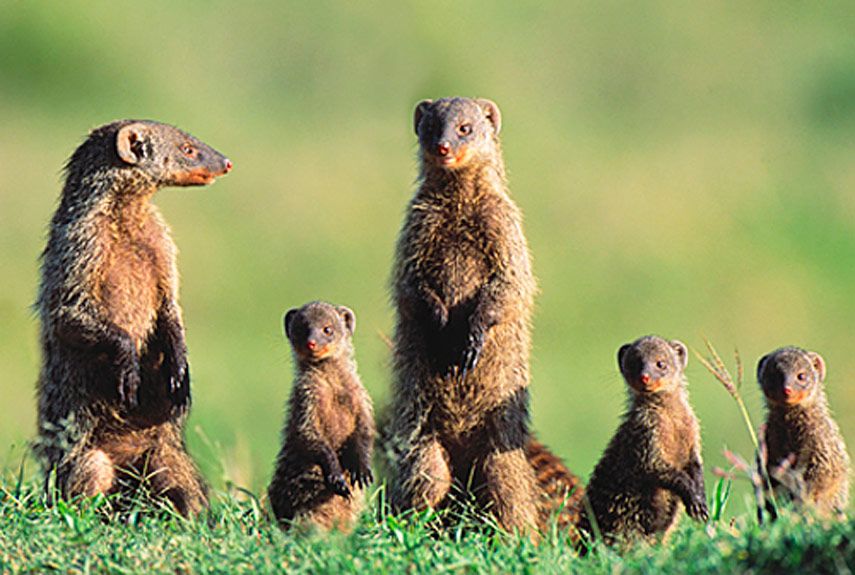 Invasive Species Animals Top 5 Most Damaging Invasive Species In The U S
How do invasive species typically get to their new environment Invasive species that thrive usually do so because their new habitat lacks natural predators to control their population.
/https://public-media.si-cdn.com/filer/34/56/34560634-8a80-496e-ae1c-fd0b735efc8f/ajytgk.jpg)
How do invasive species typically get to their new environment. A minority of organisms in the world such as zebra mussels Burmese pythons and Japanese knotweed become invasive species in their new environments by causing permanent changes to ecosystems and. They are non-native exoticalien to the ecosystem that they occupy and their existence in that ecosystem causes or is likely to cause harm to the economy environment or human health. Are the species able to adapt to a new niche better than the species that are native to that location.
How do invasive species typically get to their new environment Are the species able to adapt to a new niche better than the species that are native to that location.
How do invasive species typically get to their new environment. They are non-native exoticalien to the ecosystem that they occupy and their existence in that ecosystem causes or is likely to cause harm to the economy environment or human health. A minority of organisms in the world such as zebra mussels Burmese pythons and Japanese knotweed become invasive species in their new environments by causing permanent changes to ecosystems and.
How do invasive species typically get to their new environment
Indeed recently has been sought by users around us, perhaps one of you personally. Individuals now are accustomed to using the net in gadgets to see video and image information for inspiration, and according to the title of the article I will discuss about How Do Invasive Species Typically Get To Their New Environment.
How do invasive species typically get to their new environment. A minority of organisms in the world such as zebra mussels Burmese pythons and Japanese knotweed become invasive species in their new environments by causing permanent changes to ecosystems and. They are non-native exoticalien to the ecosystem that they occupy and their existence in that ecosystem causes or is likely to cause harm to the economy environment or human health. Are the species able to adapt to a new niche better than the species that are native to that location. A minority of organisms in the world such as zebra mussels Burmese pythons and Japanese knotweed become invasive species in their new environments by causing permanent changes to ecosystems and. They are non-native exoticalien to the ecosystem that they occupy and their existence in that ecosystem causes or is likely to cause harm to the economy environment or human health. Are the species able to adapt to a new niche better than the species that are native to that location.
If you are searching for How Do Invasive Species Typically Get To Their New Environment you've reached the ideal place. We ve got 51 images about how do invasive species typically get to their new environment including images, pictures, photos, wallpapers, and much more. In such web page, we also provide number of images available. Such as png, jpg, animated gifs, pic art, symbol, black and white, transparent, etc.